

Satya Nag Champa Incense
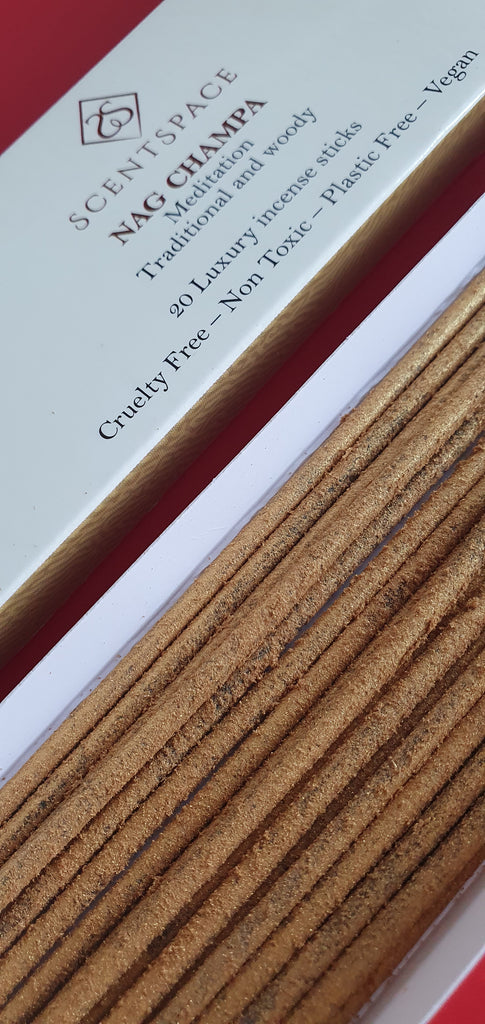
Satya Nag Champa Incense is one of the most famous and widely used incense around the world. Satya Nag Champa was created by Shrinivas Sugandhalaya...

We're passionate about Incense and what it brings to your life. You will find a large and broad range of traditional and luxury incense, dhoop sticks and cones, resins, cleansing products and a variety of holders to meet all budgets.
Our extensive range has many fragrances to offer including Agrarwood, Ouds, Sandalwood, Patchouli, Nag Champa, Florals and many more.
A range of Indian Incense and a selection of Tibetan Incense available- Incense Man have it all covered! If you are after Japanese incense, visit our sister site Vectis Karma where we stock an extensive variety.
Follow us on Instagram for regular updates


Satya Nag Champa Incense is one of the most famous and widely used incense around the world. Satya Nag Champa was created by Shrinivas Sugandhalaya...

Indian incense - This form of stick incense has a supporting core of bamboo. The core is coated by a thick layer of incense material that burns awa...

The autumnal month is a great time for burning incense. The wood and spicy scents create a feeling of warmth in our homes as the temperature gradua...
I've been using this company for years, I am always extremely happy with their products, a huge range, and excellent customer service.
Good, prompt service. Very excellent quality products. I never go anywhere else.
Incense man is the best.
Reliable, great quality and cost effective products. I only get my sticks from here!! I feel valued as a customer and the items are always with me within 24 hours.
Great service and high quality incense. Simple easy to use web site. Very pleased.